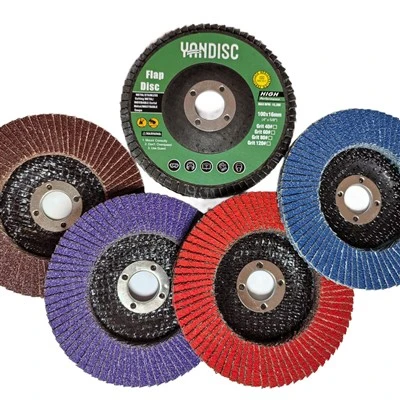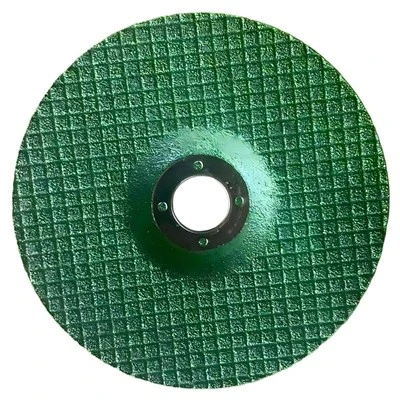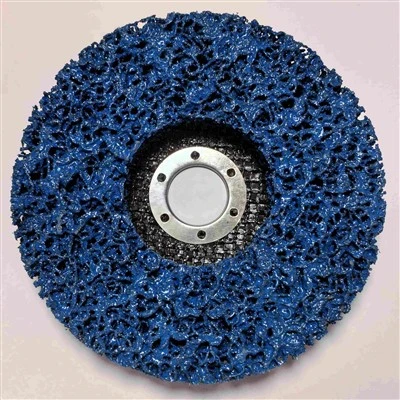

A flap disc is a circular grinding disc composed of multiple overlapping abrasive "flaps." These flaps are coated with fine abrasive particles, such as aluminum oxide, which are bonded to a backing material-typically made of polyester, cotton, or a fabric blend.
The fabric is cut into smaller segments, or "flaps," and layered onto the disc-hence the name "flap disc." These flaps are then bonded to a rigid backing plate, usually made of plastic or fiberglass.
The performance of a flap disc depends on the type and grit size of the abrasive used. Selecting the right abrasive and grit is crucial, as these factors determine the final finish or the material removal rate when working on metal.
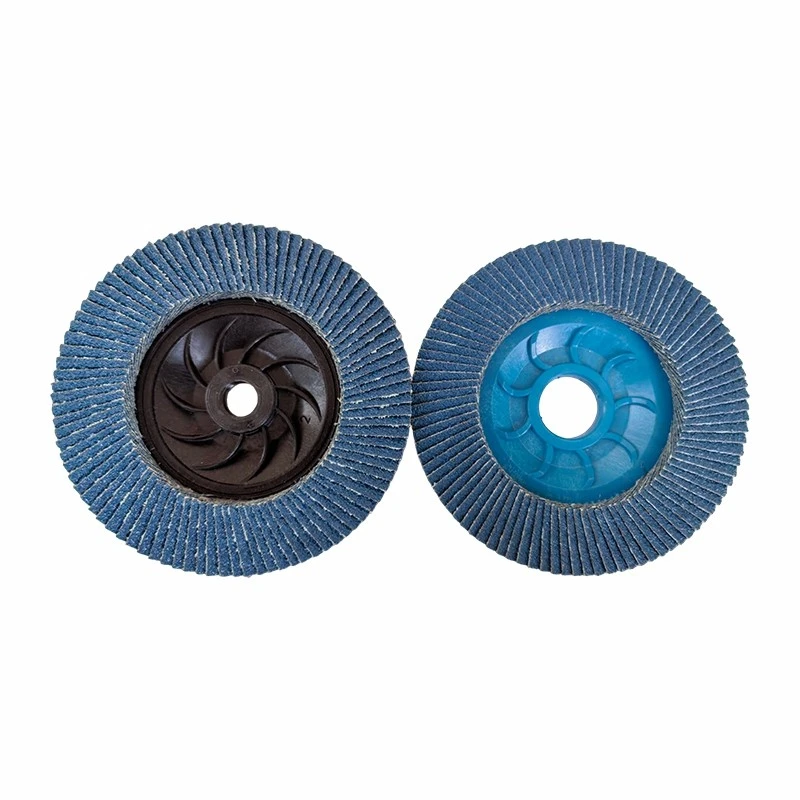
You can choose between standard (single-layer) and high-density flap discs. High-density discs contain more flaps, making them thicker and longer-lasting than standard versions. They also come in various sizes, typically ranging from two to seven inches in diameter. Many users prefer two-inch flap discs over other types of small-scale abrasive discs, as they tend to be significantly more durable.
Advantages of Flap Discs
A key advantage of using a flap disc is its resistance to wear; a single disc can achieve various levels of finish. Each flap contacts the workpiece surface at a slightly different angle. This helps minimize swirl marks and prevents the kind of repetitive surface damage often seen when using flat sanders, such as palm sanders.
With flat sandpaper, damage to one part of the surface often necessitates replacing the entire sheet. In contrast, with a flap disc, abrasive wear is distributed across many individual flaps; therefore, damage to one flap does not compromise the overall performance of the disc.
During the grinding process, the outermost edges (or "high points") of the flaps make contact with the workpiece. As work progresses, the abrasive particles in these areas gradually wear away, exposing fresh, sharp abrasive particles from the layers beneath. This continuous process ensures high-quality grinding results while also extending the service life of the grinding disc.
Standard grinding discs for angle grinders possess strong cutting power, which can easily lead to scratches and gouges. While flap discs are also capable of rapidly removing large amounts of material, they offer a much better, more controlled performance than standard grinding discs.
Drawbacks
A disadvantage is that flap discs are not well-suited for use on uneven surfaces. The fabric material used in these discs can easily snag on irregularities, causing the disc to tear and necessitating a replacement-which increases costs. In such cases, you should use a polishing disc or a pneumatic grinder to complete the task.