
Product Overview
Primary Function
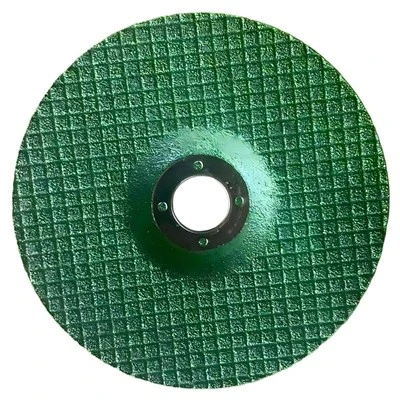
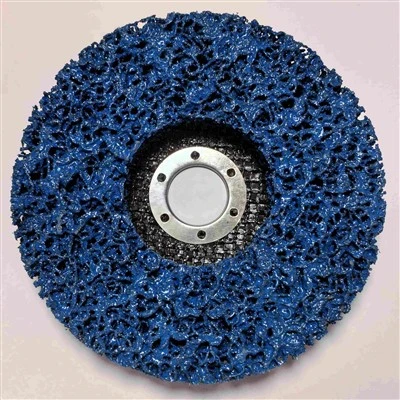
Industrial grinding wheels are bonded abrasive products designed for metal removal, surface preparation, precision grinding, tool sharpening, and other industrial grinding operations. Depending on the product series, available abrasive options may include Brown Aluminum Oxide (A), White Aluminum Oxide (WA), Pink Aluminum Oxide (PA), Ceramic Abrasives (SG), and Silicon Carbide (GC/C), combined with vitrified, resinoid, or rubber bonds.
Selection Criteria
Grinding wheel selection depends on workpiece material, grinding operation, required surface finish, machine capability, and operating conditions. Different combinations of abrasive grain, grit size, grade, structure, and bond type are available to address different grinding requirements.
Machinery Compatibility
These grinding wheels may be used in suitable surface, cylindrical, centerless, toolroom, and other industrial grinding applications, subject to the specifications of each product series.
Safety and Compliance
For safe operation, the maximum operating speed and other product markings must be checked before use. Applicable safety requirements, including EN 12413 where relevant, should be confirmed for the specific wheel type.
-
![4 Inch Flexible Grinding Wheels]() 4 Inch Flexible Grinding Wheels4 Inch Flexible Grinding Wheels for metal and stainless steel. Smooth grinding, flexible surface contact and consistent performance. OEM available.view more

Key Features and Benefits
Application-Specific Abrasive Selection
Aluminum oxide, silicon carbide, and ceramic abrasive options can be selected according to workpiece material, grinding conditions, and required surface finish.
Bond and Grade Options
Different bond types and wheel grades allow the wheel specification to be matched to the grinding operation, machine conditions, and workpiece requirements.
Structure and Porosity Options
Wheel structure can be selected according to the required balance between abrasive contact, chip clearance, and coolant access.
Multiple Wheel Configurations
Available profiles, dimensions, and specifications depend on the product series and manufacturing capability.
Specification-Based Selection
Wheel dimensions, maximum operating speed, abrasive type, grit size, grade, structure, and bond type should be confirmed against the technical specifications of the selected product.
Operating Factors
Actual grinding performance depends on the wheel specification, workpiece material, machine condition, dressing method, feed rate, coolant supply, and other operating parameters.
Applications and Material Compatibility
|
Grinding Application |
Typical Workpiece Materials |
Abrasive Options to Evaluate |
Suitable Equipment |
|
Surface and Cylindrical Grinding |
Tool steel, bearing steel, hardened steel, selected stainless steels |
Brown or White Aluminum Oxide; other grades according to the application |
Surface and cylindrical grinding machines |
|
Centerless Grinding |
Shafts, pins, fasteners, and precision cylindrical components |
Aluminum Oxide grades selected according to workpiece material and grinding conditions |
Centerless grinding machines |
|
Toolroom Grinding and Sharpening |
High-speed steel tools and other tool materials; carbide applications require suitable wheel specifications |
Aluminum Oxide or Silicon Carbide; specialized abrasive options where applicable |
Tool and cutter grinders |
|
Foundry Grinding and Weld Dressing |
Cast iron, steel castings, billets, and welded components |
Aluminum Oxide or other suitable abrasive systems selected according to material and operation |
Suitable bench, portable, or swing-frame grinding equipment |
Technical Specifications and Available Options
Standard Specification Coding Format
|
Code Element |
Example Setting |
Element Description |
|
Abrasive Type |
WA |
White Aluminum Oxide |
|
Grit Size |
60 |
Medium / Fine Grain Size |
|
Grade / Hardness |
K |
Medium Hardness Grade |
|
Structure |
8 |
Standard Grain Spacing |
|
Bond Type |
V |
Vitrified Bonding Matrix |
Abrasive Types Matrix
|
Abrasive Material |
Code |
Primary Application Area |
|
Brown Aluminum Oxide |
A |
General-purpose grinding of suitable ferrous metals. |
|
White Aluminum Oxide |
WA |
Applications requiring friable grain, including hardened steel grinding. |
|
Pink Aluminum Oxide |
PA |
Precision and tool steel grinding requiring form retention. |
|
Ceramic Abrasives |
SG |
Demanding grinding applications including stainless steels and alloy materials. |
|
Silicon Carbide |
GC / C |
Carbide, non-ferrous metals, and selected non-metallic materials. |
Technical Parameter Ranges
|
Technical Parameter |
Specification Details & Available Options |
|
Grit Size |
Available grades to be confirmed for each product series (Range: 24# to 1200#) |
|
Wheel Grade |
Available hardness grades to be confirmed (Range: Grade D to Grade Z) |
|
Structure |
Available structure grades to be confirmed (Range: Structure 1 to Structure 12) |
|
Bond Type |
Vitrified (V), Resinoid (B), or Rubber (R) |
|
Outer Diameter |
Confirmed according to product series (Range: 50 mm to 1100 mm) |
|
Thickness |
Confirmed according to wheel type (Range: 3 mm to 200 mm) |
|
Bore Diameter |
Standard metric options (12.7 mm, 20 mm, 31.75 mm, 127 mm, 305 mm) and custom sizes |
|
Maximum Operating Speed |
Marked on the selected wheel (Up to 80 m/s depending on bond and reinforcement) |
|
Wheel Shape |
Straight (Type 1), Recessed (Type 5/7), Cup (Type 11), Dish (Type 12) |

Manufacturing Operations
Production operations follow documented quality management procedures to maintain consistency in grain distribution, bond density, and physical dimensions.
• Raw Material Inspection
• Abrasive and Bond Mixing
• Molding and Forming
• Controlled Firing or Resin Curing
• Machining and Dimensional Inspection
• Product-Specific Safety Testing
• Final Inspection and Packaging
Quality Assurance Protocols
Quality control requirements vary according to wheel type, dimensions, bond system, and applicable standards.
• Raw Material Inspection: Verification of incoming abrasive grains and bonding materials against purchasing specifications.
• Dimensional Inspection: Checking relevant dimensions against approved drawings or product tolerances.
• Product-Specific Safety Testing: Overspeed spin testing in accordance with EN 12413 guidelines prior to clearance.
• Balance and Runout Checks: Dynamic balancing performed to ISO 1940 standards where applicable to prevent machine spindle wear.
• Batch Traceability: Full batch identification and inspection records maintained under ISO 9001:2015 quality frameworks.
OEM and Custom Engineering Services
Customization Capabilities
Custom grinding wheel requirements can be evaluated according to workpiece material, grinding operation, machine specifications, required dimensions, and target surface finish.
• Wheel Shapes and Profiles: Straight wheels, recessed wheels, cup wheels, dish wheels, and segmented rings.
• Dimensions: Custom outer diameter, thickness, bore diameter, and mounting holes.
• Abrasive and Bond Selection: Formulations tailored to specific metals and machining speeds.
• Profile Requirements: Pre-formed edge, bevel, or radius profiles supplied pre-dressed to reduce setup time.
• Private Labeling: Branding and packaging custom arrangements.
Custom Wheel Development Process
• Technical Information Review: Review the workpiece material, grinding operation, current wheel specification, machine parameters, and target surface finish.
• Specification Evaluation: Assess suitable abrasive, grit size, grade, structure, bond, and wheel dimensions.
• Sample Development: Confirm sample availability, development arrangements, and estimated lead time.
• Application Evaluation: Assess sample performance under agreed operating conditions.
• Specification Confirmation: Finalize the approved specification and applicable inspection requirements before bulk production.
Frequently Asked Questions
As one of the most professional grinding wheels manufacturers and suppliers in China, our products have good reputation in the market. Please feel free to wholesale high quality grinding wheels made in China here from our factory. Customized orders are welcome.