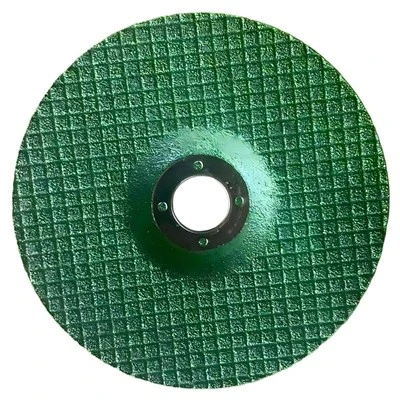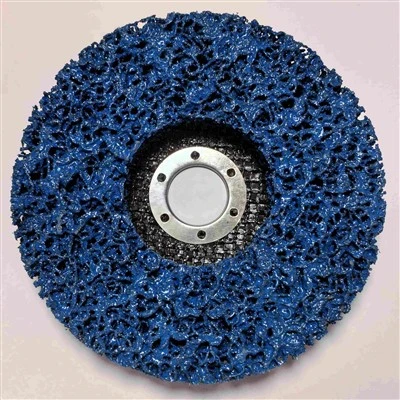

Cutting wheels are versatile and widely used abrasive products; composed of abrasive grains, they are employed for cutting, grooving, and grinding. When the task involves cutting metal, steel, or stainless steel, metal-cutting wheels are the ideal choice.
There are various types of cutting wheels. Common designations include Type 1, Type 27, Type 41, and Type 42-with each number representing specific characteristics and shapes.

Type 1 Cutting Wheels (Type 41)
Type 1 cutting wheels-sometimes referred to as Type 41-feature a completely flat profile. Generally, they are the most versatile type of cutting wheel. Because they lack a recessed center, they offer greater clearance from the workpiece and provide a larger effective cutting area.
This flat design allows for 90-degree deep cuts into a workpiece. While capable of reaching significant depths at a 90-degree angle, the operator's line of sight may be somewhat restricted. Type 1 wheels are compatible with angle grinders, die grinders, high-speed saws, stationary saws, and chop saws, though their straight profile-combined with how they are mounted near the tool guard-can sometimes limit the operator's visibility.
Type 27 Cutting Wheels (Type 42)
Type 27 (also known as Type 42) cutting wheels feature a depressed center rather than a flat profile. This recessed design allows for cutting at slight angles, though it may reduce effectiveness when cutting specific profiles, extrusions, or tight corners.
The depressed-center design also accommodates a raised hub, which helps secure the wheel firmly in place. The recessed locking nut allows for flush cutting and provides the operator with a better view of the cut. Type 27 cutting wheels are specifically designed for use with angle grinders.
Professional and industrial-grade cutting wheels-and how to select the best one for your specific application.
General Fabrication
In metal fabrication, cutting wheels with a thickness of 0.045 inches are a common and popular choice. Generally speaking, for thinner materials, a 1 mm grinding/cutting disc is often the better choice; it offers higher precision, generates less heat, and requires less deburring prior to welding. The material of the workpiece typically dictates the grit size of the disc: high-performance discs are used for structural steel and other challenging-to-machine metals, while contaminant-free (iron/sulfur/chlorine-free) discs are used for stainless steel.
Pipe Fabrication
In metal pipe fabrication, the diameter of the pipe being cut is a key factor in selecting the appropriate cutting disc. In most cases, a 4 1/2-inch disc is suitable for pipes with a diameter of 3/4 inch or smaller. A 6-inch cutting disc is appropriate for pipes up to 2 1/2 inches in diameter, while a 9-inch disc is best suited for pipes up to 3 1/2 inches in diameter. Furthermore, Type 1 (flat) discs are recommended for deeper cuts; it is generally best to choose the thinnest disc possible to minimize heat and friction, unless the specific application dictates otherwise.
When working at restricted angles-a common scenario in pipeline construction-depressed-center (Type 27) cutting discs provide more clearance for longer pipe sections. A 0.045-inch thick cutting disc is ideal for cutting tasks in fabrication shops or during field repairs.
Weld Preparation
Precise metal cutting is often required before welding. While simple cutting tasks may not demand high precision, using a precise tool can save time and costs on more complex jobs or restoration projects where the original aesthetic properties of the material must be preserved. In welding applications, 0.045-inch (slightly over 1 mm) thick cutting discs are commonly used to achieve clean, accurate cuts.
Railways
High-speed gas-powered saws require high-performance cutting discs, as the alloy steels used in railway infrastructure are difficult to cut. Self-sharpening zirconia-alumina abrasives offer superior performance and maintain a strong cutting action throughout the disc's entire service life.
Construction
On construction sites, metal cutting is used for a wide variety of applications. When cutting steel rebar or performing long-distance cuts on metal sheets, operators often require a grinding wheel capable of handling all such cutting tasks. Aluminum oxide grinding wheels typically offer the best balance between price, performance, and versatility.