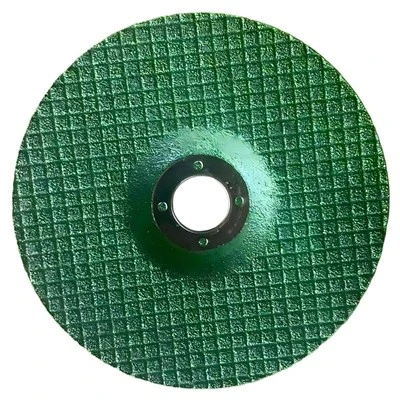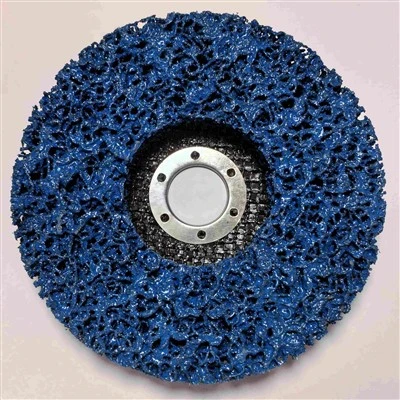

Cutting wheels and grinding wheels are both common abrasive tools used with angle grinders. Although they look similar, they serve different purposes and should not be used interchangeably.
Understanding the differences helps users select the right wheel for the job, thereby improving efficiency and safety.
What is a cutting wheel?
A cutting wheel is a thin abrasive disc designed to cut materials such as carbon steel, stainless steel, metal pipes, profiles, sheet metal, and rebar.

Its slim profile allows for narrow cuts with relatively low material loss. Cutting wheels are typically used with the outer edge of the wheel perpendicular to the workpiece.
Since cutting wheels are primarily designed for radial cutting, they should not be used for heavy-duty side grinding. Applying excessive lateral pressure can damage the wheel and create serious safety hazards.
What is a grinding wheel?
Grinding wheels are thicker and more robust than cutting wheels. They are primarily used for surface grinding, material removal, and edge finishing, rather than cutting through the workpiece.
Grinding wheels are commonly used for:
Removing welds
Smoothing rough or sharp edges
Removing excess metal
Cleaning and preparing joints
Shaping metal parts
Surface preparation prior to welding or painting
During operation, the grinding wheel is usually held at an appropriate angle to the workpiece, allowing its abrasive surface to gradually remove material.
Key Differences
The most noticeable difference is thickness. Cutting wheels are generally thin, whereas grinding wheels feature a thicker, reinforced body capable of withstanding the pressure generated during surface grinding.
Their working orientation differs as well. Cutting wheels use their outer edge to cut material, while grinding wheels use a larger surface area to remove, smooth, or shape material.
In short:
Cutting wheels are used to separate materials.
Grinding wheels are used to remove material from the surface of an object.
How to Choose the Right Wheel
Choose a cutting wheel when the primary goal is to cut metal into separate pieces. It is suitable for cutting pipes, rebar, sheet metal, and profiles.
Choose a grinding wheel when the goal is to remove welds, grind edges, shape parts, or prepare metal surfaces. Before use, be sure to verify:
Wheel diameter and thickness
Bore size
Suitable workpiece material
Maximum operating speed
Compatibility with the angle grinder
Intended cutting or grinding application
Safe operation is paramount.
Always follow the safety instructions provided with the wheel and the power tool. Inspect the wheel before installation; never use a wheel that is cracked, damaged, damp, or improperly stored.
The grinder guard must be correctly installed. Operators should also wear appropriate eye and face protection, gloves, ear protection, and protective clothing.
Most importantly, never use a cutting wheel for side grinding unless the product is specifically designed and marked for combined cutting and grinding operations.