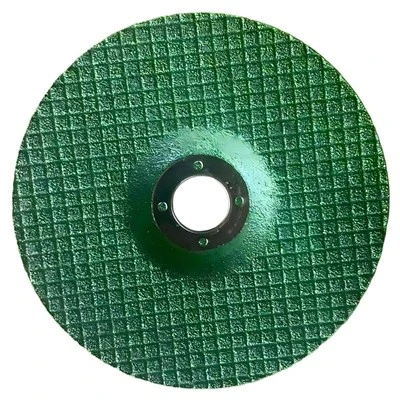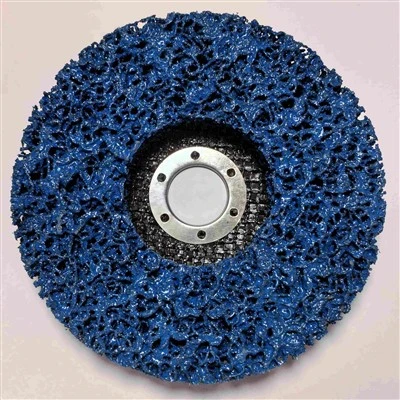

As indispensable tools in industrial production and everyday processing, cutting discs appear in a wide variety of colors-ranging from metallic gray to vibrant red, yellow, green, and blue-and sometimes even feature striking, multi-colored composite designs. This diversity is not merely an aesthetic choice; it reflects careful consideration of manufacturing processes, functional requirements, and market demands. This article explores the reasons behind the color variety of cutting discs-examining material properties, functional distinctions, market needs, and production processes-to reveal the underlying scientific principles and practical logic.
1. Material Properties Determine the Foundation of Color
The color of a cutting disc is primarily determined by the materials used in its manufacture. Cutting discs are typically composed of abrasives (such as aluminum oxide, silicon carbide, or corundum), binders (including resin, ceramic, or metal), and reinforcement materials (such as fiberglass). The chemical composition and physical properties of these abrasives and binders directly influence the disc's color. For instance, aluminum oxide abrasives often appear brown or red, while silicon carbide abrasives tend to be green or black. The choice of binder also alters the color; resin binders often result in a dark green or brown appearance, whereas ceramic binders may produce light gray or white tones.

Furthermore, dyes or pigments added during the production process can influence the final color. These are often used to improve visual identification or to meet specific branding requirements. For example, some manufacturers incorporate particular pigments to create unique color-coded identifiers based on the intended application or performance grade of the disc. These color variations-stemming from differences in materials and manufacturing processes-form the basis for the diversity seen in cutting discs.
2. Visual Identification for Functional Differentiation
Another significant reason for the variety of colors in cutting discs is the need to distinguish between different functions. In industrial settings, cutting discs are used to process a wide range of materials, such as metals, ceramics, stone, and wood. Because these materials vary in hardness, toughness, and chemical composition, the cutting discs used for them must possess specific performance characteristics. To help users quickly identify the right tool for the job, manufacturers often use color-coding to differentiate between discs designed for different applications. For instance, green cutting discs are frequently used for cutting stainless steel; they contain silicon carbide abrasives, which are well-suited for processing high-hardness metals. Red or brown cutting discs, on the other hand, are primarily used for standard steel, as they are composed mainly of aluminum oxide and are relatively more cost-effective.
Furthermore, the grit size (coarseness) of cutting discs is often indicated by color. Fine-grit discs might feature lighter colors, while coarse-grit discs may be designed in darker shades. This color-coding system not only enhances operational efficiency but also reduces the risk of errors-a benefit that is particularly valuable in high-intensity, fast-paced industrial environments where intuitive color recognition is essential.
3. Market Demand and Brand Strategy
Market competition and brand strategy are also significant drivers behind the color diversity of cutting discs. In the global tool market, major brands employ unique color schemes to boost product recognition. For example, a prominent brand might feature blue cutting discs to highlight their superior wear resistance and precision, while another might opt for red to emphasize affordability and versatility. Such color differentiation not only simplifies the selection process for consumers but also visually reinforces the brand's identity.
4. Manufacturing Processes and Technological Innovation
Advancements in manufacturing technology have also facilitated greater color variety. Modern production techniques allow manufacturers to flexibly adjust the color of cutting discs without compromising their performance. By refining resin-binder formulations, for example, manufacturers can incorporate a wider range of pigments without affecting the structural integrity of the discs. Additionally, the use of laser marking and surface coating technologies enables the application of complex, multi-colored patterns or gradient effects, further enhancing visual appeal.
Notably, some high-end cutting discs utilize composite materials or specialized coatings-such as titanium or nitride layers-to improve wear and heat resistance. These coatings often possess a metallic luster or distinct hues, such as gold or purple, giving the discs both functional and aesthetic value. This technology-driven innovation in color not only boosts product performance but also addresses the market demand for high-value-added products. In summary, the diversity in the colors of cutting discs can be attributed to a combination of factors, including material properties, functional differentiation, market demand, and production processes.
The choice of materials and binders establishes the foundation for color; the need for functional differentiation drives the use of color-coding to enhance operational efficiency; market competition and brand strategy encourage a wider variety of color designs; and advancements in production technology provide the technical support necessary for color innovation. Together, these elements ensure that cutting discs serve not only as highly efficient industrial tools but also as products that balance practicality with aesthetic appeal.