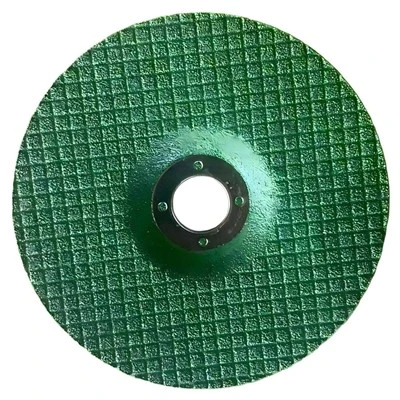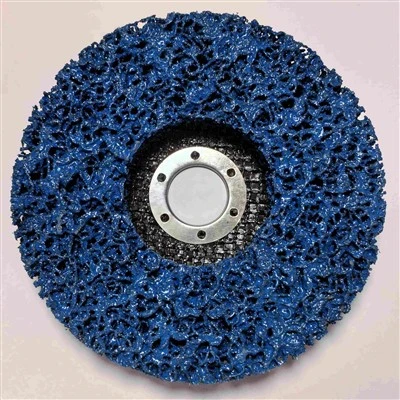

Abrasive flap discs are versatile tools used for contouring and shaping metal. They consist of overlapping abrasive cloth flaps bonded to a backing plate, which is typically made of fiberglass, plastic, or metal. These discs are widely used across industries such as welding, machining, and industrial maintenance. Compared to traditional grinding wheels, flap discs offer numerous advantages, including rapid material removal and the ability to perform grinding, blending, and finishing with a single product. This versatility allows operators to reduce project timelines without compromising the quality of the finish. Flap discs are particularly effective in metalworking, especially for right-angle grinding and contouring. Their flexibility offers greater control and reduces the risk of gouging the workpiece, while providing a gentler grinding action than rigid grinding wheels.

Types of Flap Discs
Flap discs come in various types suited to different applications. There are two main types: Type 27 (T27) and Type 29 (T29). T27 discs feature a flat profile, making them ideal for finishing and light grinding at angles of 0–15 degrees; they excel at smoothing and grinding flat surfaces. In contrast, T29 discs have a conical shape with a steeper angle, making them suitable for more aggressive grinding at 15–25 degrees-ideal for contouring, edge grinding, and rapid material removal. Both types are available in standard and high-density options; high-density discs contain more abrasive material, resulting in greater durability and a longer service life. The choice between T27 and T29 depends on the specific task and the surface being worked on.
Choosing the Right Abrasive Material
Selecting the appropriate abrasive material significantly impacts performance and efficiency. Zirconia-a blend of zirconium dioxide and aluminum oxide-is a common abrasive for metalworking. It is capable of removing welds and grinding hard metals such as carbon steel, stainless steel, and titanium. Zirconia performs exceptionally well under high pressure, maintaining consistent cutting speeds and surface finishes throughout its lifespan. Ceramic is another synthetic abrasive known for its superior durability and longevity. It is suitable for grinding most metals and performs best under moderate pressure. Ceramic abrasives maintain their cutting power and stability over long periods, making them ideal for various grinding discs. The choice between zirconia and ceramic abrasives depends on specific project requirements, taking into account factors such as abrasive lifespan and the required cutting force.
Selecting the Optimal Grit and Size
Choosing the right grit size affects performance. Grit sizes typically range from 36 to 120; lower numbers indicate coarser grit suitable for heavy material removal, while higher numbers indicate finer grit suitable for finishing work. A grit range of 36–60 is ideal for heavy material removal and chamfering. Grits of 40–60 are suitable for weld grinding and blending, while 60-grit is best for deburring. Rust removal and blending require 60–80 grit, whereas 80–120 grit is the best choice for finishing. Disc sizes range from 4 to 7 inches and should be selected based on the grinder and application requirements.
Conclusion
Selecting the right abrasive disc is crucial for the quality and efficiency of metalworking and woodworking projects. By understanding the different types of discs, abrasives, grit sizes, and dimensions, both professionals and DIY enthusiasts can make informed choices to achieve the desired results. Versatile enough to handle everything from aggressive material removal to fine sanding, abrasive discs are indispensable tools for any workshop.